2026년 11월 1일 일요일

Botox in Myeongdong, Seoul | A Guide to Korean Botox Treatment for Foreigners

Botox in Myeongdong, Seoul: A Guide for Foreigners

Botox is one of the most widely known injectable treatments for temporarily reducing the appearance of certain facial wrinkles. Seoul is a popular destination for people interested in Korean skin treatments, and Myeongdong offers a convenient location for visitors exploring dermatology and aesthetic care.

If you are considering Botox in Myeongdong, this guide explains common treatment areas, what to discuss during a consultation, what to expect, and how to plan your visit to a Korean skin clinic.

Dr. Hwang Youjoo, Medical Director of Lijin Clinic

Dr. Hwang Youjoo, Medical Director of Lijin Clinic

1. What Is Botox?

Botox is a brand name commonly used when referring to botulinum toxin type A treatments. These injections temporarily reduce activity in selected muscles. When used for certain expression lines, relaxing the targeted muscles can soften the appearance of wrinkles.

The treatment does not work like a dermal filler. Botox affects muscle activity, while fillers are used to add volume or support specific areas. A medical consultation can help determine which approach, if any, is appropriate for your concerns.
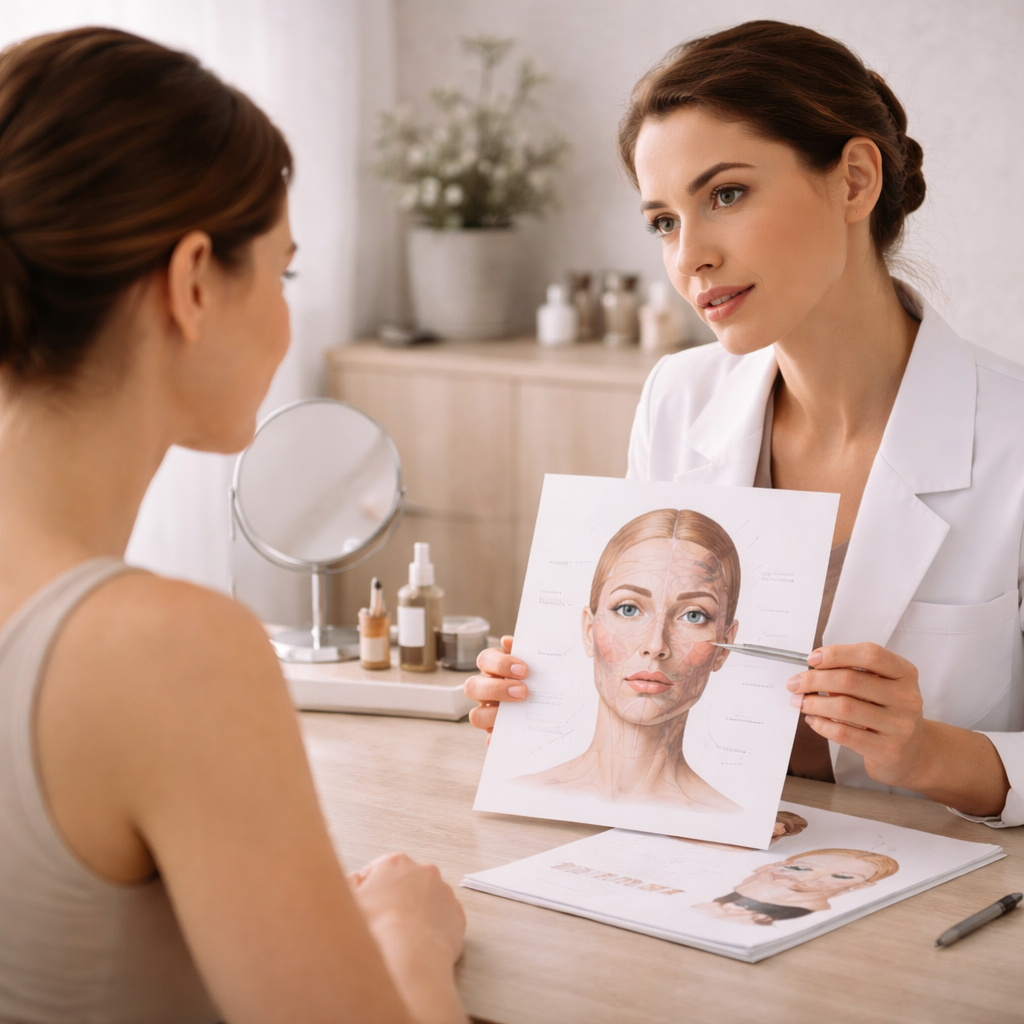
Illustrative facial consultation for Botox treatment

Illustrative image of a facial consultation. Not a Lijin Clinic treatment photograph.

2. Common Areas Discussed During Botox Consultations

The appropriate treatment area depends on facial anatomy, muscle movement, medical history and the patient's goals. Common areas discussed in cosmetic consultations include:

  • Forehead lines: Horizontal lines that appear when raising the eyebrows.
  • Frown lines: Vertical lines between the eyebrows that can become more noticeable when concentrating or frowning.
  • Crow's feet: Fine lines around the outer corners of the eyes.
  • Jaw muscles: In selected cases, treatment may be discussed for prominent masseter muscles.
  • Other areas: Certain additional applications may be considered by a qualified medical professional depending on the individual's needs.

Not every area is suitable for every person. The treatment plan should be based on an individual assessment rather than a standard injection pattern.
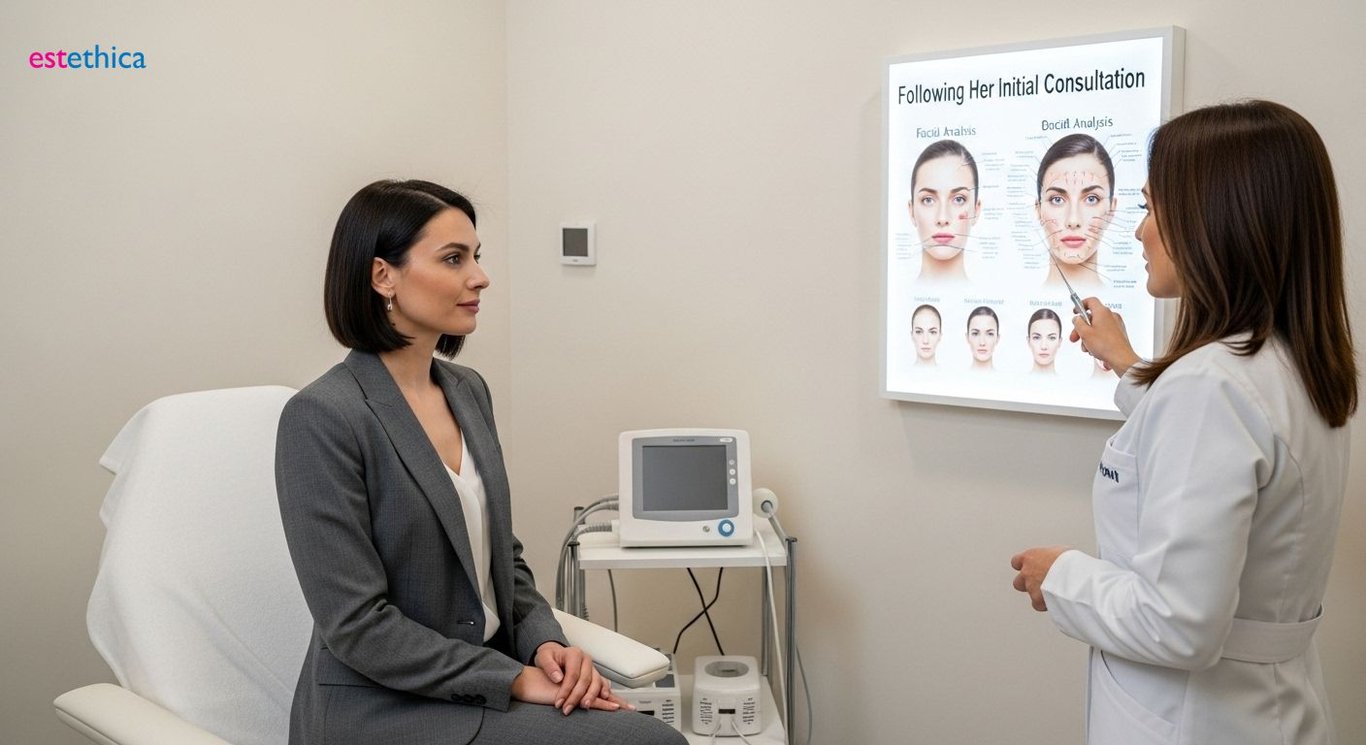
Illustrative facial analysis during a Botox consultation

Illustrative facial analysis image from an external source, not a Lijin Clinic photograph.

3. What Happens During a Botox Consultation?

A consultation is an important part of planning any injectable treatment. Before deciding whether to proceed, discuss your concerns and expectations with the medical professional.

Topics may include:

  • Your main concerns and the facial movements that make lines visible.
  • Previous Botox or other injectable treatments.
  • Current medications, supplements and relevant medical history.
  • Allergies, previous reactions and any relevant health conditions.
  • Possible side effects, expected results and follow-up arrangements.

If you are visiting Korea for a short trip, explain your travel dates and any important events scheduled after treatment. This helps the clinician discuss whether the timing is appropriate.
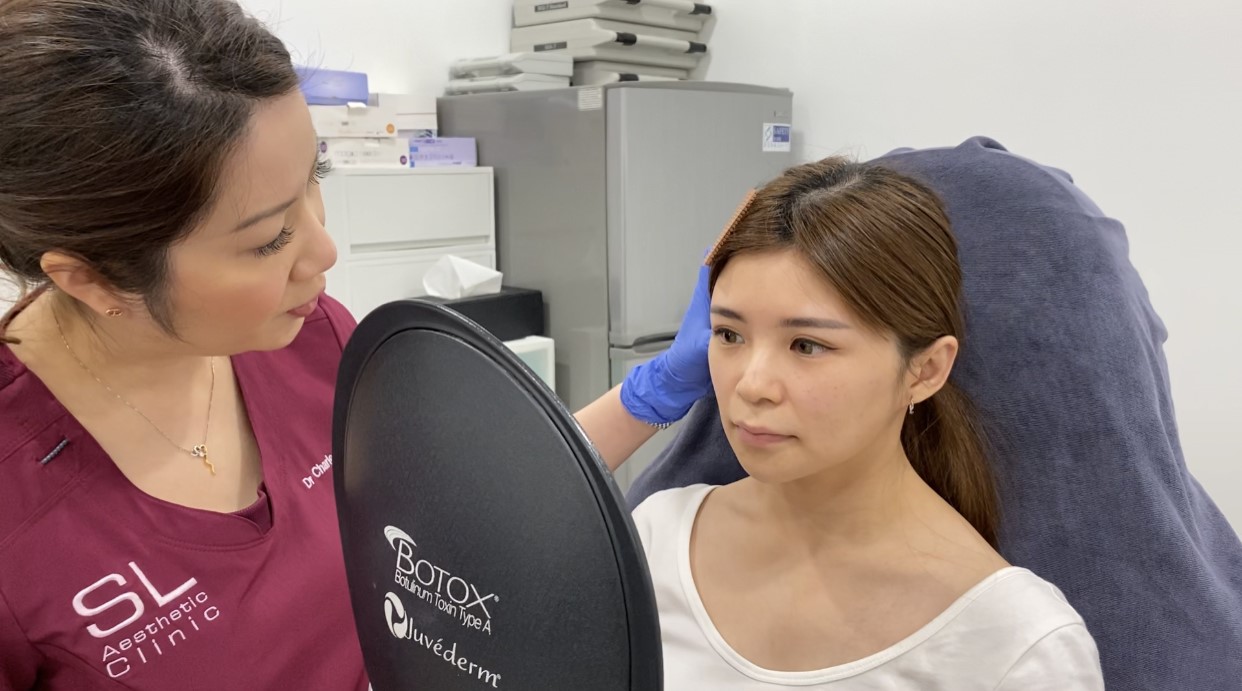
Illustrative doctor and patient discussing aesthetic treatment

External illustrative consultation photograph. Not a Lijin Clinic patient or procedure.

4. What Should You Expect During the Procedure?

When a medical professional determines that treatment is appropriate, the skin is prepared and small amounts of the prescribed product are injected into selected muscles using a fine needle.

The procedure is generally performed during an outpatient clinic visit. The number of injection points and the amount used vary according to the treatment area and individual assessment.

Do not choose a treatment solely because of a low advertised price or a fixed number of units. Product selection, dosage and injection technique should be determined by a qualified medical professional.

Treatment room at Lijin Clinic in Myeongdong

Treatment room at Lijin Clinic.

5. When Do Results Appear and How Long Do They Last?

Botulinum toxin does not usually produce its full effect immediately. Results commonly begin to become noticeable within several days, with the effect developing further over the following days.

For many cosmetic wrinkle treatments, results last approximately three to four months, although the duration varies by person, product, treatment area and dose. Your clinician can explain what is realistic for your particular situation.

6. Aftercare and Possible Side Effects

After treatment, follow the specific instructions provided by your clinician. General precautions may include:

  • Avoid rubbing or massaging the treated areas.
  • Be gentle when washing your face or applying skincare products.
  • Follow your clinician's advice about exercise and other activities after treatment.
  • Contact the clinic if you have concerns or unexpected symptoms.

Temporary redness, swelling, tenderness, bruising or headache may occur. Less common complications can include temporary weakness in nearby muscles or eyelid or brow drooping.

Seek urgent medical attention if you develop difficulty swallowing, speaking or breathing, or significant generalized muscle weakness after an injection.

7. Choosing a Skin Clinic in Myeongdong

When comparing clinics in Seoul, consider more than location and price. Ask who will perform the injection, whether the provider is appropriately licensed and trained, what product will be used, and how the clinic handles follow-up care.

For your safety, botulinum toxin injections should be performed in an appropriate medical setting by a qualified healthcare professional. Avoid injections offered in non-medical environments.

Interior of Lijin Clinic in Myeongdong Seoul

Interior of Lijin Clinic.

8. Visiting Lijin Clinic in Myeongdong

Lijin Clinic is located in central Seoul, in the Myeongdong area. Foreigners planning a skin treatment visit can contact the clinic to ask about consultation availability, language assistance and treatment options.

Lijin Clinic exterior in Myeongdong Seoul

Lijin Clinic exterior in Myeongdong.

Lijin Clinic
Medical Director: Dr. Hwang Youjoo
3rd Floor, 55 Namdaemun-ro, Jung-gu, Seoul, South Korea
Phone: +82-2-2039-3585
Open 7 Days a Week · 9:30 AM – 8:00 PM
Website: www.lijinclinic.com

Lijin Clinic interior in Seoul Korea

Lijin Clinic interior.

9. Frequently Asked Questions

Is Botox a filler?

No. Botox is a botulinum toxin treatment that temporarily affects muscle activity. Dermal fillers are different products used to add volume or support selected areas.

Can foreigners receive Botox treatment in Seoul?

Foreigners can contact clinics in Seoul to ask about consultation and appointment arrangements. It is important to communicate your medical history and understand the treatment plan before proceeding.

Can I get Botox immediately before flying home?

Travel timing should be discussed with your clinician. Consider possible bruising, swelling, follow-up needs and the time required for results to develop.

Does Botox permanently remove wrinkles?

No. Cosmetic effects are temporary. The duration varies, and treatment does not stop the natural aging process.

Book a Consultation at Lijin Clinic

If you are researching Botox in Myeongdong, Seoul, contact Lijin Clinic to ask about available consultations and suitable skin treatment options.

📋 CLICK TO BOOK – LIJIN CLINIC

Find Lijin Clinic in Myeongdong

Follow Lijin Clinic on Instagram


Medical Disclaimer: This article is for general educational purposes only and is not medical advice. Botox and other botulinum toxin treatments are medical procedures with potential risks. Suitability, product choice, dosage and expected results must be assessed by a qualified medical professional. Individual results vary. Always consult a licensed healthcare professional before treatment.

```

Juvelook Treatment in Korea | Skin Booster in Myeongdong, Seoul

Juvelook is a popular injectable skin treatment discussed by people interested in Korean aesthetic treatments. Many visitors to South Korea search for Juvelook because they want to learn about collagen-stimulating treatments and professional skin care.

If you are planning a trip to Seoul and considering Juvelook, it is helpful to understand how it differs from other skin boosters, what concerns it may be used for, and what to ask during a medical consultation.

This guide introduces Juvelook treatment in Korea and provides practical information for foreigners considering a visit to a skin clinic in Myeongdong.

Dr. Hwang Youjoo, Medical Director of Lijin Clinic

Dr. Hwang Youjoo, Medical Director of Lijin Clinic

1. What Is Juvelook?

Juvelook is an injectable aesthetic treatment that combines PDLLA (poly-D,L-lactic acid) and hyaluronic acid (HA).

It is commonly described as a collagen-stimulating treatment. The formulation is designed to support gradual changes in skin appearance rather than simply adding immediate facial volume like some traditional dermal fillers.

People may ask about Juvelook when they are concerned about:

  • Uneven-looking skin texture
  • The appearance of fine lines
  • Visible pores
  • Acne-scar-related skin texture
  • Overall skin quality and firmness

Whether Juvelook is suitable depends on the individual's skin condition, treatment goals, medical history, and the product formulation used.

2. How Does Juvelook Work?

Juvelook contains two main components: PDLLA and hyaluronic acid.

PDLLA

PDLLA is a biodegradable polymer used in aesthetic medicine as a collagen-stimulating material. It is intended to encourage gradual changes in the treated area over time.

Hyaluronic Acid

Hyaluronic acid is a substance known for its ability to bind water. It is used in many aesthetic and skincare products, including injectable treatments.

The combination of these ingredients gives Juvelook a different formulation from PN-based treatments such as Rejuran.

Results are not immediate or identical for everyone. Your doctor should explain the expected timeline, treatment limitations, and possible risks before you decide to proceed.

3. What Skin Concerns Can Juvelook Address?

Skin Texture

People who are concerned about rough or uneven-looking skin texture may ask whether Juvelook is an appropriate option. The doctor will need to assess the skin and determine whether this treatment matches the specific concern.

Visible Pores

Visible pores can be influenced by several factors, including genetics, oil production, skin aging, and previous acne. Some people explore collagen-stimulating treatments as part of a broader plan for improving the appearance of skin texture.

Acne Scar Appearance

Some types of acne scars involve changes in the skin's surface and underlying structure. Treatment depends on the scar type, depth, and severity.

Juvelook may be discussed as one option in selected cases, but it is not a universal solution for all acne scars. Other procedures or combination treatments may be more appropriate.

Fine Lines and Skin Quality

People interested in improving the appearance of fine lines or changes in skin quality may ask about Juvelook during a consultation. The doctor can explain whether the treatment is appropriate for the areas of concern.

Treatment room at Lijin Clinic in Myeongdong

Treatment room at Lijin Clinic

4. Juvelook vs. Rejuran: What Is the Difference?

Juvelook and Rejuran are both discussed in the Korean skin treatment market, but they have different ingredients and treatment approaches.

Juvelook

  • Contains PDLLA and hyaluronic acid.
  • Commonly described as a collagen-stimulating injectable treatment.
  • May be discussed for selected concerns involving skin texture and appearance.

Rejuran

  • Uses polynucleotides (PN).
  • Is commonly discussed as a skin booster treatment.
  • Has a different formulation and treatment approach from Juvelook.

Neither treatment is automatically better than the other. The appropriate choice depends on your skin, medical history, and desired outcome. A qualified medical professional can explain the differences and help you understand the available options.

5. What Is the Juvelook Treatment Process?

The exact procedure depends on the product version, treatment area, and medical protocol. A typical treatment visit may include the following steps:

Step 1: Consultation

The doctor discusses your skin concerns, medical history, previous procedures, and treatment expectations.

Step 2: Skin Assessment

Your skin is examined to determine whether Juvelook may be appropriate and which areas, if any, may be considered for treatment.

Step 3: Treatment Preparation

The clinic explains the procedure and preparation. Depending on the treatment plan, cleansing and an appropriate comfort measure may be used.

Step 4: Injection Procedure

The product is administered by a qualified medical professional using an appropriate technique for the treatment area.

Step 5: Aftercare Guidance

Before leaving, make sure you understand the aftercare instructions, possible reactions, and when to contact the clinic.

6. What to Expect After Juvelook

Juvelook is an injectable procedure, so temporary reactions may occur after treatment.

Possible reactions include:

  • Temporary redness
  • Swelling around injection sites
  • Small bumps or unevenness shortly after treatment
  • Bruising or tenderness

The recovery experience varies according to the treatment technique, injection area, and individual response. Ask your doctor how long these reactions may last and what symptoms require medical attention.

Aftercare Tips

  • Follow the clinic's specific aftercare instructions.
  • Avoid unnecessary pressure or rubbing on the treated areas.
  • Ask when you can resume makeup and your usual skincare products.
  • Follow professional advice about exercise, sauna use, and other activities.
  • Contact the clinic if you notice unexpected or concerning symptoms.

7. How Many Juvelook Sessions Are Needed?

The recommended treatment schedule depends on the individual's skin condition, treatment area, product formulation, and medical assessment.

Some treatment plans may involve more than one session. However, there is no single schedule that is suitable for everyone.

During your consultation, ask about:

  • The number of sessions recommended for your concerns
  • The interval between sessions
  • When changes may become noticeable
  • How long the results may last
  • Whether maintenance treatments may be considered

Be cautious of guaranteed results or claims that one session will solve every skin concern.

8. Juvelook for Foreigners Visiting Seoul

South Korea attracts visitors interested in skincare and aesthetic treatments. If you are traveling to Seoul and considering Juvelook, planning ahead is especially important.

Before making an appointment, consider these points:

  • Check whether the clinic offers language assistance.
  • Ask whether the specific Juvelook product is currently available.
  • Discuss your travel dates and flight schedule with the doctor.
  • Allow time for possible swelling, bruising, or other temporary reactions.
  • Ask whether a follow-up visit may be recommended.

If you have an important event or a flight shortly after treatment, tell your doctor before making a decision.

9. Juvelook Consultation at Lijin Clinic in Myeongdong

Lijin Clinic is located in Myeongdong, central Seoul. Foreigners interested in Korean skin treatments can contact the clinic to ask about consultation arrangements and available services.

Dr. Hwang Youjoo is the Medical Director of Lijin Clinic. Visitors can discuss their skin concerns and ask about suitable treatment options during a consultation.

Interior of Lijin Clinic in Myeongdong, Seoul

Inside Lijin Clinic

If you are interested in Juvelook specifically, contact the clinic in advance to confirm current product availability, treatment details, pricing, and appointment times.

10. Frequently Asked Questions About Juvelook

Is Juvelook the same as Rejuran?

No. Juvelook contains PDLLA and hyaluronic acid, while Rejuran uses polynucleotides. They have different ingredients and treatment approaches.

Is Juvelook a traditional dermal filler?

Juvelook is generally described as a collagen-stimulating injectable treatment rather than a conventional volume-focused dermal filler. Ask your doctor about the specific product version and its intended use.

Can Juvelook help with acne scars?

It may be discussed for selected skin texture concerns, but acne scars vary in type and severity. A doctor should assess your scars and explain which treatment options are appropriate.

Will I experience downtime?

Temporary swelling, redness, bumps, or bruising may occur. The amount of downtime varies by person and treatment technique.

Can foreigners receive Juvelook in Korea?

Foreigners can contact Korean clinics to ask about consultation and treatment availability. It is recommended to confirm the details before visiting.

11. Book a Consultation at Lijin Clinic

Planning a trip to Seoul and interested in Juvelook or other Korean skin treatments? Contact Lijin Clinic in Myeongdong to ask about available consultation options and appointment arrangements.


Lijin Clinic – Contact Information

Lijin Clinic
Medical Director: Dr. Hwang Youjoo
Address: 3rd Floor, 55 Namdaemun-ro, Jung-gu, Seoul, South Korea
Phone: +82-2-2039-3585
Hours: Open 7 Days a Week · 9:30 AM – 8:00 PM
Website: www.lijinclinic.com
Booking: Book an Appointment
Instagram: @lijinclinic_en

Medical Disclaimer: This article is for general informational purposes only and does not replace professional medical advice. Juvelook suitability, results, risks, and recovery vary by individual. Consult a qualified medical professional before undergoing any injectable procedure.

```

Rejuran Skin Booster in Korea | Rejuran Treatment in Myeongdong, Seoul

Rejuran is one of the well-known skin booster treatments in South Korea. Many people visiting Seoul search for Rejuran because they are interested in professional skin care and treatments designed to improve the appearance of their skin.

If you are planning to visit Korea and are considering Rejuran, this guide explains what the treatment is, what to discuss during a consultation, and what to know before and after the procedure.

We will also introduce Lijin Clinic, located in Myeongdong, Seoul, where foreigners can ask about available skin treatment options.

Dr. Hwang Youjoo, Medical Director of Lijin Clinic

Dr. Hwang Youjoo, Medical Director of Lijin Clinic

1. What Is Rejuran?

Rejuran is an injectable skin treatment made with polynucleotide (PN), an ingredient derived from salmon DNA. It is used in aesthetic medicine for skin-focused treatments.

Unlike traditional dermal fillers, which are primarily designed to add volume or contour specific facial areas, Rejuran is generally discussed as a skin booster treatment.

People may ask about Rejuran when they are concerned about:

  • The appearance of fine lines
  • Uneven skin texture
  • Dry or dehydrated-looking skin
  • Visible signs of skin aging
  • Overall skin condition and appearance

Individual results vary. Rejuran is not a replacement for every type of skincare or aesthetic procedure, and it may not be suitable for everyone.

2. How Does Rejuran Skin Booster Treatment Work?

Rejuran is administered through injections into selected areas of the skin by a qualified medical professional.

Polynucleotides are the key ingredients in Rejuran products. The treatment is intended to support skin quality and is often discussed in connection with skin texture and the appearance of aging.

The exact product, injection technique, treatment area, and recommended schedule should be determined after an individual consultation.

3. Rejuran for Different Skin Concerns

Fine Lines and Skin Texture

People who notice fine lines or changes in skin texture may ask whether Rejuran is an appropriate option. A doctor can assess the skin and explain what improvements may realistically be expected.

Dry and Dehydrated-Looking Skin

Skin that looks dry or lacks a smooth appearance can have several contributing factors. Rejuran may be discussed as one treatment option, but everyday skincare and appropriate hydration remain important.

Skin Quality and Aging Concerns

As skin changes over time, some people explore skin booster treatments as part of a broader skincare plan. Rejuran is one option that may be considered depending on skin condition, treatment goals, and medical suitability.

Interior of Lijin Clinic in Myeongdong

Lijin Clinic in Myeongdong, Seoul

4. Rejuran vs. Other Korean Skin Boosters

South Korea offers several types of injectable skin booster treatments. Although they may be discussed together, their ingredients and purposes are different.

Rejuran

Rejuran uses polynucleotides (PN) and is commonly discussed for skin-focused treatment and skin quality concerns.

Hyaluronic Acid Skin Boosters

Hyaluronic acid-based treatments are associated with hydration and skin appearance. The formulation and injection technique determine the specific purpose of each product.

Juvelook

Juvelook combines PDLLA and hyaluronic acid. It is a different injectable treatment from Rejuran, with a different formulation and treatment approach.

These products should not be considered interchangeable. A medical professional can explain the differences and help determine which option may be appropriate for your skin.

5. What Happens During a Rejuran Consultation?

Before receiving Rejuran, a consultation is important. The doctor should understand your skin concerns, medical history, previous procedures, and expectations.

During your consultation, consider discussing:

  • Your main skin concerns and treatment goals
  • Any allergies or sensitivities
  • Previous injectable treatments or cosmetic procedures
  • Current medications and relevant medical history
  • Possible side effects and recovery time
  • The recommended treatment schedule and total cost

You should have an opportunity to ask questions before deciding whether to proceed.

6. What to Expect After Rejuran Treatment

Because Rejuran is an injectable procedure, temporary injection-related reactions may occur.

Depending on the individual and the treatment technique, these may include:

  • Small raised bumps at injection sites
  • Temporary redness
  • Mild swelling
  • Bruising or tenderness

The recovery experience varies. Ask your doctor how long temporary reactions may last and when you can return to your usual skincare routine.

Aftercare Considerations

  • Follow the clinic's specific aftercare instructions.
  • Avoid touching or rubbing the treated areas unnecessarily.
  • Ask when it is appropriate to resume makeup and active skincare products.
  • Follow advice about exercise, sauna use, and other activities.
  • Contact your clinic if you experience unexpected or concerning symptoms.

7. Is Rejuran Suitable for Foreigners Visiting Korea?

Foreigners can explore Rejuran and other Korean skin booster treatments while visiting Seoul. However, the timing of treatment should be planned carefully.

If you are traveling, consider the following:

  • Allow time for a consultation before deciding on treatment.
  • Tell your doctor about your departure date and flight schedule.
  • Ask about possible bruising, swelling, and recovery time.
  • Check whether follow-up visits may be recommended.
  • Do not schedule treatment immediately before an important event without discussing the risks.

If you have limited time in Korea, ask the clinic about appointment availability and whether the recommended treatment plan is practical for your travel schedule.

8. Rejuran Consultation at Lijin Clinic in Myeongdong

Lijin Clinic is located in Myeongdong, a central area of Seoul that is convenient for many visitors.

Foreigners interested in Korean skin treatments can contact the clinic to ask about consultation arrangements and currently available services.

Dr. Hwang Youjoo is the Medical Director of Lijin Clinic. During a consultation, you can discuss your skin concerns and ask about options such as skin boosters and other aesthetic treatments.

Lijin Clinic exterior in Myeongdong, Seoul

Lijin Clinic, Myeongdong

If you are specifically interested in Rejuran, contact the clinic in advance to confirm current availability, product details, consultation options, and pricing.

9. Frequently Asked Questions About Rejuran

Is Rejuran the same as dermal filler?

No. Rejuran is a polynucleotide-based skin booster treatment. Traditional dermal fillers are primarily used to add volume or improve facial contours. They have different ingredients and purposes.

Does Rejuran involve injections?

Yes. Rejuran is administered through injections. The injection technique and treatment areas should be discussed with a qualified medical professional.

Can Rejuran cause swelling or bruising?

Yes. Temporary bumps, redness, swelling, tenderness, or bruising may occur after treatment. The severity and duration vary between individuals.

How many Rejuran sessions are needed?

The recommended number and interval of sessions depend on the product, skin condition, and individual treatment plan. Ask your doctor for advice based on your circumstances.

Can I get Rejuran during a short trip to Seoul?

It may be possible, but you should consider recovery time and any recommended follow-up. Discuss your travel schedule with the doctor before treatment.

10. Book a Consultation at Lijin Clinic

Interested in Rejuran or other Korean skin booster treatments? If you are planning a visit to Myeongdong, contact Lijin Clinic to ask about consultation and appointment availability.


Lijin Clinic – Contact Information

Lijin Clinic
Medical Director: Dr. Hwang Youjoo
Address: 3rd Floor, 55 Namdaemun-ro, Jung-gu, Seoul, South Korea
Phone: +82-2-2039-3585
Hours: Open 7 Days a Week · 9:30 AM – 8:00 PM
Website: www.lijinclinic.com
Booking: Book an Appointment
Instagram: @lijinclinic_en

Medical Disclaimer: This article is for general informational purposes only and does not replace professional medical advice. Rejuran suitability, results, risks, and recovery vary by individual. Consult a qualified medical professional before undergoing any injectable procedure.

```

Myeongdong Laser Skin Treatments in Seoul, Korea | A Guide for Foreigners

Are you looking for laser skin treatments in Myeongdong, Seoul? South Korea is well known for its advanced skincare industry, and many foreigners visit Seoul to learn about professional skin treatments.

Laser treatments are commonly discussed for concerns such as pigmentation, uneven skin tone, freckles, sun spots, and acne marks. However, different laser technologies are designed for different purposes. Choosing the right treatment starts with understanding your skin and receiving a professional consultation.

This guide explains popular types of laser skin treatments in Korea, what to consider before a procedure, and how to plan a visit to Lijin Clinic in Myeongdong.

Dr. Hwang Youjoo, Medical Director of Lijin Clinic

Dr. Hwang Youjoo, Medical Director of Lijin Clinic

1. Why Consider Laser Skin Treatments in Myeongdong?

Myeongdong is one of Seoul's most convenient areas for foreign visitors. It offers hotels, shopping streets, restaurants, and easy access to many parts of the city.

For visitors interested in Korean skincare, the area also provides an opportunity to explore professional skin clinics during their stay. Before booking a laser procedure, it is important to understand the treatment, possible downtime, and whether it is suitable for your skin.

Not every pigmentation mark or acne scar responds to the same treatment. A medical assessment can help distinguish between different skin concerns and identify appropriate options.

2. PICO Laser: A Popular Laser Technology in Korea

Interior of Lijin Clinic in Myeongdong

A look inside Lijin Clinic

PICO laser is a laser technology that delivers very short pulses of energy, measured in picoseconds. Depending on the device, settings, and treatment protocol, it may be used for selected pigmentation concerns and tattoo removal, among other applications.

Some PICO laser systems are also used in treatments aimed at improving the appearance of selected skin concerns. The exact purpose depends on the device and the individual's condition.

Before treatment, ask your doctor:

  • Which type of PICO laser will be used?
  • What skin concern is the treatment intended to address?
  • How many sessions might be recommended?
  • What temporary reactions or downtime should you expect?
  • What sun protection and aftercare will be necessary?

3. Laser Treatments for Pigmentation and Uneven Skin Tone

Pigmentation can appear in different forms, including freckles, sun spots, and melasma. These conditions do not all have the same causes or respond to the same treatments.

Some laser procedures may be considered for specific pigmentation concerns. However, certain conditions, particularly melasma, require careful assessment because inappropriate treatment can sometimes worsen pigmentation.

Daily sun protection is also important when managing pigmentation. Your doctor can advise whether laser treatment, topical skincare, or another approach is appropriate.

4. Laser Options for Acne Marks and Acne Scars

Acne can leave different types of marks and scars. Flat red or brown marks are different from depressed or raised acne scars, so they may require different approaches.

Depending on the type and severity of the scarring, a doctor may discuss options such as selected laser procedures, energy-based treatments, microneedling, or combination approaches.

It is important to have realistic expectations. Some acne scars require multiple sessions, and complete removal cannot be guaranteed.

5. Laser Skin Care for Pores and Skin Texture

Visible pores and uneven skin texture are common concerns among people seeking professional skincare in Korea.

Different treatments may be considered depending on whether the main concern is excess oil, skin texture, acne scarring, or changes associated with aging.

A consultation can help determine whether a laser procedure is appropriate or whether another type of skin treatment may be more suitable.

Lijin Clinic interior in Seoul

Clinic interior at Lijin Clinic

6. What to Expect Before and After a Laser Treatment

Laser treatments are not all the same. The preparation and recovery process depend on the device, treatment settings, and your skin condition.

Before Your Appointment

  • Tell your doctor about medications, allergies, and previous skin procedures.
  • Explain whether you have sensitive skin or a history of pigmentation problems.
  • Discuss recent sun exposure, tanning, or skin irritation.
  • Ask whether you should temporarily stop any skincare products.
  • Confirm the expected downtime before scheduling sightseeing or other activities.

After Your Treatment

  • Follow the clinic's specific aftercare instructions.
  • Use sun protection as advised by your medical professional.
  • Avoid irritating skincare products if instructed.
  • Do not pick or scratch treated areas.
  • Contact the clinic if you experience unexpected or concerning symptoms.

Temporary redness, swelling, sensitivity, or other reactions may occur depending on the procedure. Your clinic should explain the possible side effects before treatment.

7. Choosing a Laser Skin Clinic in Myeongdong

When comparing skin clinics in Seoul, look beyond promotional offers. The quality of consultation and the suitability of the treatment are important considerations.

  • Professional assessment: Your skin should be assessed before a procedure is recommended.
  • Device information: Ask which laser system is used and what it is intended to treat.
  • Clear explanations: Understand the benefits, limitations, risks, and possible recovery period.
  • Language support: Check whether English consultation or assistance is available.
  • Aftercare guidance: Make sure you know how to care for your skin after treatment.

8. Visit Lijin Clinic in Myeongdong, Seoul

Lijin Clinic is located in the Myeongdong area of central Seoul. Foreigners visiting Korea can contact the clinic to ask about consultations and available skin treatment options.

Dr. Hwang Youjoo is the Medical Director of Lijin Clinic. During a consultation, you can explain your skin concerns and ask which treatments may be suitable for you.

Treatment room at Lijin Clinic

Treatment room at Lijin Clinic

If you are interested in PICO laser or another skin procedure, contact the clinic in advance to confirm current availability, consultation arrangements, and appointment times.

9. Plan Your Myeongdong Clinic Visit

If you are traveling to Seoul, consider your schedule before booking a laser treatment. Some procedures may require recovery time or follow-up visits. It is best not to schedule an unfamiliar treatment immediately before an important event or a long flight without discussing the timing with your doctor.

Planning ahead also gives you time to ask questions about the procedure, price, expected downtime, and aftercare.

Frequently Asked Questions

Is PICO laser suitable for every skin type?

No. Suitability depends on your skin condition, skin type, medical history, and the specific device and settings. A medical consultation is necessary.

Can I get laser treatment during a short trip to Seoul?

Some treatments may fit into a short visit, but recovery and follow-up requirements vary. Discuss your travel dates and flight schedule with the doctor before proceeding.

How many laser sessions will I need?

The number of sessions depends on the condition being treated, the laser technology, and your individual response. Your doctor can discuss a treatment plan after assessing your skin.

Can foreigners book a consultation at Lijin Clinic?

Foreigners can contact Lijin Clinic to ask about consultation and appointment availability. Advance booking is recommended.

Book a Consultation at Lijin Clinic

Looking for a skin clinic in Myeongdong? Contact Lijin Clinic to ask about laser treatment options and arrange a consultation during your stay in Seoul.


Lijin Clinic – Contact Information

Lijin Clinic
Medical Director: Dr. Hwang Youjoo
Address: 3rd Floor, 55 Namdaemun-ro, Jung-gu, Seoul, South Korea
Phone: +82-2-2039-3585
Hours: Open 7 Days a Week · 9:30 AM – 8:00 PM
Website: www.lijinclinic.com
Booking: Book an Appointment
Instagram: @lijinclinic_en

Medical Disclaimer: This article is for general informational purposes only and does not replace professional medical advice. Laser treatment suitability, results, risks, and recovery vary by individual. Consult a qualified medical professional before undergoing any procedure.

```

Korean Skin Treatments in Myeongdong, Seoul | A Guide for Foreigners

South Korea has become a popular destination for people interested in skincare and non-surgical aesthetic treatments. Among the many places to explore in Seoul, Myeongdong is a convenient area for foreigners who want to combine shopping, sightseeing, and a visit to a Korean skin clinic.

From laser treatments and skin boosters to Botox, fillers, and skin lifting procedures, Korean clinics offer a wide range of options. This guide introduces popular Korean skin treatments, explains what to consider before choosing a clinic, and shares practical information about visiting Lijin Clinic in Myeongdong.

Dr. Hwang Youjoo, Medical Director of Lijin Clinic in Seoul

Dr. Hwang Youjoo, Medical Director of Lijin Clinic

1. Why Consider Korean Skin Treatments in Seoul?

Korean skincare is widely recognized for its attention to skin condition, hydration, texture, and overall appearance. Visitors to Seoul can explore a variety of professional skin treatments, from basic skin care procedures to technology-based treatments.

Many foreigners choose Myeongdong because it is centrally located and offers convenient access to shopping, hotels, restaurants, and public transportation. This makes it easier to plan a clinic visit during a trip to Seoul.

Before selecting a treatment, remember that the most suitable option depends on your skin condition, medical history, expectations, and a consultation with a qualified medical professional.

2. Popular Korean Skin Treatments

Laser Treatments for Skin Concerns

Laser treatments are used in dermatology and aesthetic medicine for different skin concerns. Depending on the device and treatment settings, they may be considered for pigmentation, uneven skin tone, redness, pores, and acne-related marks.

Different laser technologies have different purposes. A consultation is important to determine whether a particular laser is appropriate for your skin and whether more than one session may be needed.

Skin Boosters: Rejuran and Juvelook

Skin booster treatments are popular in Korea among people looking to improve the appearance and condition of their skin.

Rejuran is a skin treatment associated with polynucleotide-based ingredients. Juvelook is a collagen-stimulating injectable treatment combining PDLLA and hyaluronic acid. They are different treatments and should not be considered interchangeable.

Your doctor can explain the ingredients, expected benefits, possible side effects, and suitability for your individual skin condition.

Botox Treatments

Botox is commonly used to temporarily reduce the appearance of certain expression lines caused by muscle movement. It may also be used for other medical or aesthetic purposes depending on the treatment area.

The appropriate dose and injection sites require professional assessment. Results and duration vary from person to person.

Dermal Fillers

Dermal fillers are injectable products used to add volume or improve the appearance of selected facial areas. Different filler materials are designed for different purposes.

Because filler injections have potential risks, including vascular complications, it is important to receive treatment from an appropriately qualified medical professional who can explain the procedure and its risks.

Skin Lifting and Anti-Aging Treatments

Non-surgical lifting treatments use different technologies to target skin and underlying tissue. Options available in Korea may include ultrasound-based and radiofrequency-based procedures.

Examples include Ultherapy, Thermage, and other lifting technologies. These treatments differ in their mechanisms, treatment areas, and suitability. A consultation helps determine which option, if any, is appropriate.

Treatment room at Lijin Clinic in Myeongdong

Treatment room at Lijin Clinic

3. How to Choose a Skin Clinic in Myeongdong

There are many clinics in Seoul, so it is worth taking time to compare your options before booking an appointment. Consider the following points:

  • Medical consultation: Make sure you can discuss your skin concerns and treatment goals with a qualified medical professional.
  • Clear treatment information: Ask about the procedure, expected results, possible side effects, and recovery time.
  • Language assistance: If you do not speak Korean, check whether English consultation or language assistance is available.
  • Transparent pricing: Confirm the total cost and what is included before agreeing to treatment.
  • Aftercare: Ask what precautions and follow-up care may be needed after the procedure.

4. Tips for Foreigners Visiting a Korean Skin Clinic

If you are visiting Seoul from another country, a little preparation can make your clinic visit easier.

  • Bring your passport and any information about relevant medical conditions or medications.
  • Tell the medical team about previous cosmetic procedures, allergies, and skin sensitivities.
  • Explain your concerns clearly and share your expectations.
  • Ask how much downtime you may need before sightseeing or traveling.
  • Do not feel pressured to choose a procedure during your first consultation.

If you have a flight soon after treatment, discuss this with the doctor beforehand. Some procedures may involve temporary redness, swelling, bruising, or other after-effects.

5. Visit Lijin Clinic in Myeongdong, Seoul

Lijin Clinic is located in central Seoul, in the Myeongdong area. The clinic welcomes foreigners interested in learning about Korean skin treatments and offers consultation about available treatment options.

Dr. Hwang Youjoo is the Medical Director of Lijin Clinic. Visitors can discuss their skin concerns and ask about treatment options during a consultation.

Inside Lijin Clinic in Myeongdong, Seoul

Inside Lijin Clinic

Depending on your consultation and the clinic's current service availability, you can ask about skin care, laser treatments, skin boosters, Botox, fillers, and lifting procedures.

English assistance is available. If you have a specific treatment in mind, contact the clinic in advance to confirm availability and appointment details.

6. Where Is Lijin Clinic?

Lijin Clinic is conveniently located near Myeongdong and other central Seoul destinations. Its location makes it possible to plan a clinic appointment alongside shopping and sightseeing in the city.

Lijin Clinic in Myeongdong, Seoul

Lijin Clinic, Myeongdong, Seoul

7. Book a Consultation at Lijin Clinic

Planning a visit to Seoul? If you are interested in Korean skin treatments, you can contact Lijin Clinic before your trip to ask about consultation and appointment availability.

Frequently Asked Questions

Can foreigners visit a skin clinic in Myeongdong?

Yes. Foreigners can visit clinics in Seoul. It is helpful to check language assistance, consultation arrangements, and appointment availability before visiting.

Which Korean skin treatment should I choose?

There is no single treatment that is suitable for everyone. The right option depends on your skin condition, medical history, goals, and a professional consultation.

Should I book before visiting?

Booking in advance is recommended, especially if you have limited time in Seoul or want to discuss a specific treatment.

Where is Lijin Clinic located?

Lijin Clinic is located on the 3rd Floor, 55 Namdaemun-ro, Jung-gu, Seoul, South Korea, in the Myeongdong area.


Lijin Clinic – Contact Information

Lijin Clinic
Medical Director: Dr. Hwang Youjoo
Address: 3rd Floor, 55 Namdaemun-ro, Jung-gu, Seoul, South Korea
Phone: +82-2-2039-3585
Hours: Open 7 Days a Week · 9:30 AM – 8:00 PM
Website: www.lijinclinic.com
Booking: Book an Appointment
Instagram: @lijinclinic_en

Medical Disclaimer: This article is for general informational purposes only and does not replace professional medical advice. Treatment suitability, results, risks, and recovery vary by individual. Consult a qualified medical professional before undergoing any procedure.

```

Botox in Myeongdong, Seoul | A Guide to Korean Botox Treatment for Foreigners

Botox in Myeongdong, Seoul: A Guide for Foreigners Botox is one of the most widely known injectable treatments for temporarily reducing ...